 Book your Appointment

22 Apr, 2026 Pilates Classes: A Complete Guide to Benefits, Types, and Who They Are For
Pilates classes have become increasingly popular among people looking for a balanced approach to fitness that focuses on strength, flexibility, posture, and overall body awareness. Unlike high-impact workouts, Pilates emphasizes on controlled movements, breathing, and alignment, making it suitable for a wide range of age groups and fitness levels.
This detailed guide explains what Pilates classes are, how they work, who can benefit from them, and how Pilates compares with other popular practices like yoga. The goal of this blog is purely educational, helping readers make informed decisions about Pilates as a form of exercise.
What Are Pilates Classes?
Pilates classes are structured exercise sessions based on the Pilates method, a system of physical conditioning developed to improve core strength, flexibility, posture, and movement efficiency. These classes focus on slow, precise movements combined with controlled breathing rather than speed or heavy resistance.
A typical Pilates class works on strengthening deep muscles, especially those around the abdomen, lower back, hips, and pelvis. Because of this, Pilates is often recommended for people who want better body control, improved posture, and reduced muscle imbalances.
Types of Pilates Classes
Pilates classes are not limited to one format. Depending on individual needs and goals, different types of Pilates may be practiced.
Mat Pilates
Mat Pilates is performed on the floor using body weight as resistance. It focuses on core control, flexibility, and balance. This type of Pilates is commonly recommended for beginners.
Equipment-Based Pilates
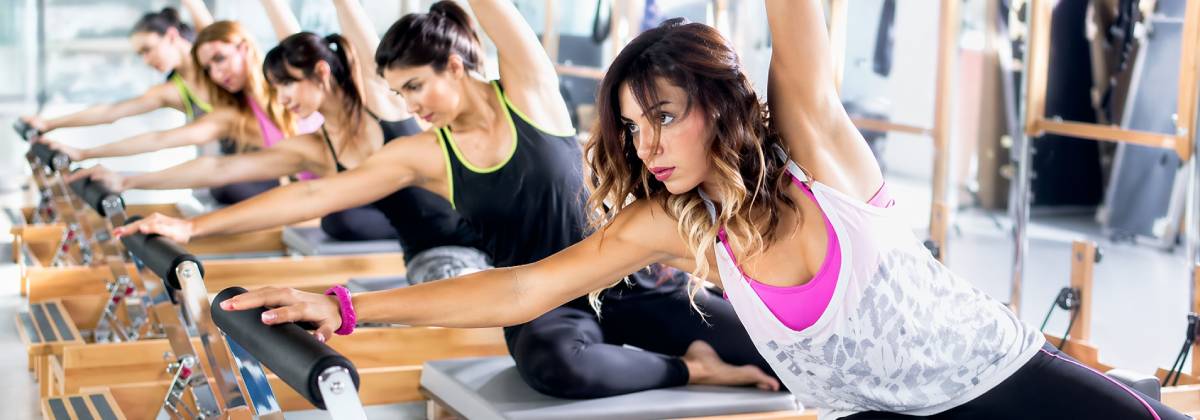
This form uses specialized equipment designed to support controlled movement and resistance. It allows exercises to be adapted for rehabilitation, posture correction, and strength development.
Clinical Pilates
Clinical Pilates is often guided by physiotherapy principles. It is commonly recommended for people recovering from injuries or managing conditions such as back pain and joint issues.
Pilates Studio: Why the Environment Matters
A Pilates studio is a dedicated space designed for focused and mindful movement. Unlike crowded gym settings, a Pilates studio typically offers a calm environment that allows individuals to concentrate on posture, breathing, and precision.
For people searching for a Pilates studio in Delhi, the environment, instructor expertise, and safety standards play an important role in ensuring effective and safe practice.
Pilates Classes in Delhi: Growing Awareness
Pilates classes in Delhi have seen growing interest as more people look for sustainable fitness options that support long-term health. Urban lifestyles often involve prolonged sitting, screen time, and poor posture, making practices like Pilates increasingly relevant.
People searching online for “Pilates near me” are often looking for classes that can help address daily physical stress without excessive strain on the body.
Pilates for Weight Loss
Pilates for weight loss focuses on improving muscle tone, increasing body awareness, and supporting a healthy metabolism. While Pilates is not a high-calorie-burning workout like intense cardio, it helps build lean muscle, which contributes to long-term weight management.
Regular Pilates practice can also encourage mindful movement and consistency, which are important factors in maintaining a healthy body weight.
Pilates for Back Pain
Pilates for back pain is one of the most commonly recommended applications of this exercise method. By strengthening the core muscles that support the spine, Pilates can help reduce strain on the lower back.
Exercises are performed in a controlled manner, focusing on alignment and stability. This makes Pilates particularly suitable for individuals experiencing stiffness or discomfort due to poor posture or weak core muscles.
Pilates for Posture Correction
Poor posture is a common issue, especially among people who spend long hours sitting or working at desks. Pilates for posture correction emphasizes spinal alignment, shoulder positioning, and balanced muscle engagement.
Over time, regular practice can improve body awareness, helping individuals maintain correct posture during daily activities such as sitting, standing, and walking.
Pilates Core Strengthening
Core strengthening is at the heart of Pilates practice. Unlike traditional abdominal workouts that target only surface muscles, Pilates core strengthening focuses on deep stabilizing muscles.
A strong core supports better movement patterns, reduces the risk of injury, and improves overall functional fitness.
Pilates for Women
Pilates for women is often chosen because of its adaptable nature. The exercises can be modified to suit different life stages, including postural changes, flexibility needs, and strength goals.
Pilates encourages balanced muscle development rather than excessive bulk, which many women find suitable for maintaining long-term physical health and mobility.
Yoga vs Pilates: Understanding the Difference
The comparison of yoga vs Pilates is common among people exploring mind-body exercises. While both practices focus on controlled movement and breathing, their goals and methods differ.
Yoga places a strong emphasis on flexibility, meditation, and holding postures. Pilates, on the other hand, focuses more on core strength, muscle control, and precise movement patterns. Both practices offer unique benefits and can complement each other depending on individual needs.
Who Can Benefit from Pilates Classes?
Pilates classes can be suitable for:
- Beginners looking for low-impact exercise
- Individuals with sedentary lifestyles
- People focusing on posture and core stability
- Those seeking mindful movement practices
However, individuals with existing medical conditions should always seek professional guidance before starting any new exercise routine.
How Often Should Pilates Be Practiced?
For most people, practicing Pilates two to three times per week is considered sufficient to experience improvements in strength, flexibility, and posture. Consistency is more important than intensity, as Pilates focuses on gradual and controlled progress.
Frequently Asked Questions About Pilates Classes
Are Pilates classes suitable for beginners?
Yes, Pilates classes are recommended for beginners and those who are focusing on basic movements and proper alignment.
Can Pilates help with posture issues?
Pilates emphasizes alignment and muscle balance, which can support better posture over time.
Is Pilates only for flexibility?
Pilates focuses not only on flexibility but also focuses heavily on strength, especially core stability and controlled movement.
How is Pilates different from gym workouts?
Pilates prioritizes quality of movement, breathing, and muscle control rather than heavy weights or high repetitions.
Conclusion
Pilates classes offer a structured and mindful approach to physical fitness, focusing on strength, posture, flexibility, and body awareness. Whether practiced for core strengthening, posture correction, or general well-being, Pilates provides a sustainable exercise option that supports long-term health.
Understanding the principles, benefits, and applications of Pilates can help individuals choose the right approach for their fitness journey.


