 Book your Appointment

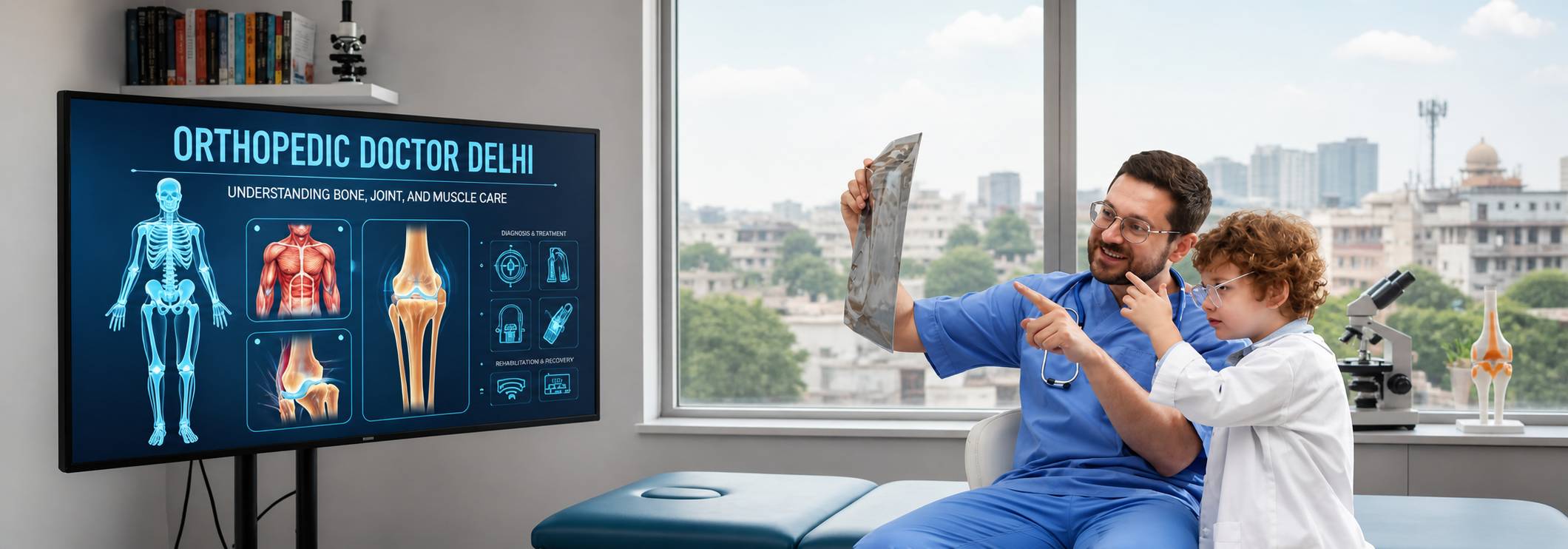
04 May, 2026 Orthopaedic Doctor Delhi: Understanding Bone, Joint, and Muscle Care
Bone, joint, and muscle problems are becoming very common today. Long working hours, poor posture, lack of physical activity, sports injuries, and age-related changes often affect daily movement and comfort. In such situations, an orthopaedic doctor plays an important role in diagnosis, treatment, and long-term joint care.
This blog explains who an orthopaedic doctor is, what conditions they treat, and when it is important to consult an orthopaedic doctor in Delhi.
Who Is an Orthopaedic Doctor?
An orthopaedic doctor is a medical specialist who focuses on the health of bones, joints, muscles, ligaments, and tendons. These structures help the body move, stay balanced, and perform daily activities like walking, sitting, lifting, and bending.
Orthopaedic doctors manage both non-surgical and surgical treatments depending on the severity of the condition. Their main goal is to reduce pain, improve movement, and restore function.
Why People Search for an Orthopaedic Surgeon in Delhi
Delhi has a fast-paced lifestyle where people often experience joint stress due to long sitting hours, traffic-related injuries, sports activities, and aging-related joint wear. Because of this, many individuals look for an orthopaedic doctor in Delhi to address problems early and avoid long-term complications.
Early consultation can help in:
- Identifying the root cause of pain.
- Preventing joint damage
- Improving mobility and quality of life
Common Conditions Treated by an Orthopaedic Doctor
An orthopaedic doctor treats a wide range of musculoskeletal problems. Some of the most common conditions include:
Knee Problems
Knee pain can occur due to injury, ligament damage, cartilage wear, or age-related degeneration. Conditions such as knee injuries, ligament tears, and osteoarthritis are commonly evaluated by orthopaedic specialists.
Back and Spine Issues
Back pain may develop due to poor posture, muscle weakness, disc problems, or spinal stress. Orthopaedic care focuses on posture correction, muscle strengthening, and spine stability.
Shoulder Conditions
Shoulder pain can limit arm movement and daily activities. Problems like frozen shoulder stiffness, rotator cuff issues, or joint degeneration often require orthopaedic evaluation.
Sports Injuries
Sports-related injuries may involve ligaments, tendons, or joints. Proper orthopaedic assessment helps ensure safe recovery and reduces the risk of re-injury.
Understanding Osteoarthritis (O.A)
Osteoarthritis is a common joint condition where the cartilage between bones gradually wears down. This can cause pain, stiffness, swelling, and reduced joint movement.
An orthopaedic doctor helps in:
- Diagnosing the stage of arthritis
- Suggesting lifestyle modifications
- Managing pain and joint function
- Advising when advanced treatment may be required
Early management of osteoarthritis can slow progression and maintain joint health.
Role of Arthroscopy in Orthopaedic Care
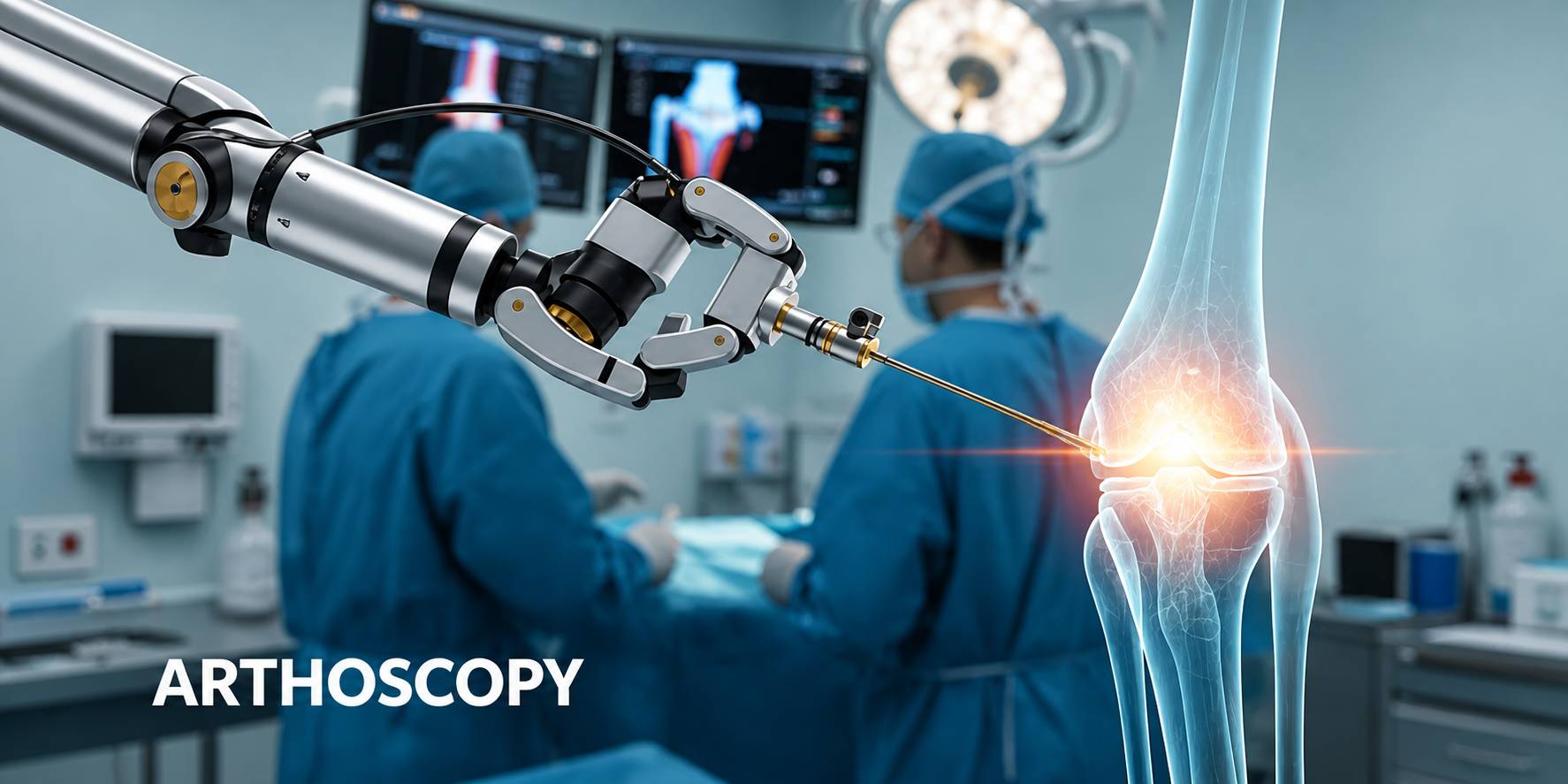
Arthroscopy is a minimally invasive procedure used to diagnose and treat joint problems. It is commonly performed for knee and shoulder conditions.
Through small incisions, orthopaedic doctors can:
- Inspect joint structures like ligaments and cartilage
- Treat ligament or cartilage damage
- Reduce joint pain and stiffness
Arthroscopy usually involves faster recovery compared to open surgery.
Joint Replacement: When Is It Considered?
Joint replacement procedures, such as knee replacement or hip replacement, are considered when joint damage becomes severe and daily activities are significantly affected.
An orthopaedic doctor evaluates:
- Pain severity
- Joint movement limitation
- Response to non-surgical treatments
The aim of joint replacement is to restore movement, reduce pain, and improve overall quality of life.
Importance of Core and Joint Stability
Strong muscles around joints help protect bones and improve movement efficiency. Orthopaedic care often includes guidance on strengthening exercises to support joints and prevent injuries.
Good muscle balance and joint stability can:
- Reduce stress on joints
- Improve posture
- Support long-term mobility
When Should You Consult an Orthopaedic Doctor?
It is advisable to consult an orthopaedic doctor if you experience:
- Persistent joint or muscle pain
- Difficulty walking or moving joints
- Joint stiffness that does not improve
- Pain after injury or fall
- Reduced range of motion
Ignoring symptoms may lead to worsening conditions over time.
Orthopaedic Care and Lifestyle Management
Orthopaedic treatment is not limited to procedures alone. It also includes guidance on:
- Correct posture
- Safe physical activity
- Weight management
- Joint protection techniques
These factors play an important role in maintaining healthy bones and joints.
FAQs
Q1. Who is an orthopaedic doctor?
An orthopaedic doctor treats problems related to bones, joints, muscles, and ligaments.
Q2. When should I consult an orthopaedic doctor in Delhi?
You should consult an orthopaedic doctor if you are suffering from joint pain, stiffness, or movement difficulty persists.
Q3. Can an orthopaedic doctor treat back and knee pain?
Yes, orthopaedic doctors commonly treat back pain, knee pain, and joint-related conditions.
Q4. Is surgery always required in orthopaedic treatment?
No, many orthopaedic conditions are managed with non-surgical treatments first.
Q5. What conditions are commonly treated by an orthopaedic doctor?
Common conditions include arthritis, joint injuries, sports injuries, and posture-related pain.
Q6. Can orthopaedic treatment help improve daily movement?
Yes, proper orthopaedic care helps reduce pain and improve joint mobility.
Q7. Is orthopaedic care suitable for all age groups?
Yes, orthopaedic care is suitable for children, adults, and elderly individuals.
Conclusion
An orthopaedic doctor in Delhi helps individuals manage bone, joint, and muscle conditions with a focus on long-term movement and comfort. From joint pain and sports injuries to arthritis and mobility issues, orthopaedic care supports better physical function and daily well-being.
Understanding orthopaedic health and seeking timely care can help maintain active and independent living at every stage of life.


