 Book your Appointment

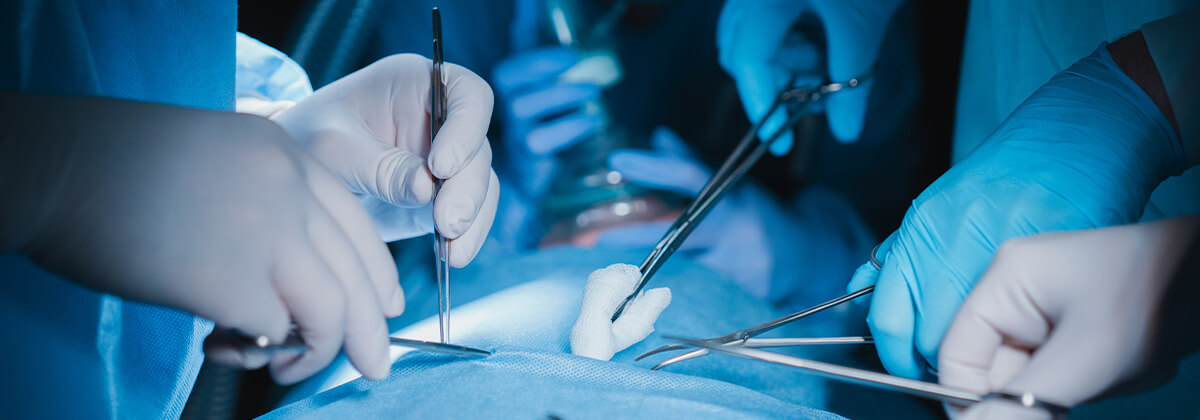
31 Aug, 2026 Arthroscopy Surgery: Complete Guide
Arthroscopy is a modern minimally invasive surgical technique used to diagnose and treat problems inside a joint. Instead of making a large incision, an orthopaedic surgeon uses a small camera called an arthroscope along with specialized instruments through small openings around the joint.
The camera provides a clear view of structures inside the joint and allows the surgeon to assess, repair, remove, or treat damaged tissues when appropriate.
If you are considering arthroscopy surgery in Delhi, understanding the procedure, common indications, preparation, recovery, and rehabilitation can help you make an informed decision with your orthopaedic specialist.
What Is Arthroscopy?
Arthroscopy is a minimally invasive procedure in which a small camera is inserted into a joint through a small incision.
The arthroscope contains a camera and light that transmit images of the inside of the joint to a monitor. Additional small instruments may be inserted through other portals to diagnose or treat specific problems.
Depending on the joint and condition, arthroscopy can be used to:
- Examine damaged joint structures
- Diagnose certain joint problems
- Repair damaged tissues
- Remove loose fragments
- Treat selected ligament injuries
- Treat meniscus problems
- Address certain cartilage problems
- Manage selected shoulder conditions
Why Is Arthroscopy Called Keyhole Surgery?
Arthroscopy is often called keyhole surgery because it is performed through small openings rather than the larger incision generally associated with traditional open surgery.
A small camera allows the surgeon to visualize the inside of the joint, while specialized instruments can be introduced through additional small portals.
The minimally invasive nature of arthroscopy may be associated with smaller incisions and, for appropriate procedures, shorter hospital stays and recovery compared with some open procedures.
Which Joints Can Be Treated with Arthroscopy?
Arthroscopy can be performed on several joints depending on the condition.
Common arthroscopic procedures include:
- Knee Arthroscopy
- Shoulder Arthroscopy
- Ankle Arthroscopy
- Elbow Arthroscopy
- Hip Arthroscopy
- Wrist Arthroscopy
AOSM specifically lists these arthroscopy procedures among its orthopaedic services.
Knee Arthroscopy
Knee arthroscopy is one of the commonly performed arthroscopic procedures.
The knee can develop problems due to sports injuries, trauma, overuse, arthritis-related changes, or age-related changes.
Knee arthroscopy may be considered for selected conditions such as:
- Meniscus tear
- ACL tear
- PCL tear
- MPFL injury
- Loose bodies
- Synovitis
- Patellar instability
- Selected cartilage problems
- Certain cysts
AOSM’s knee arthroscopy information specifically describes the use of arthroscopy for diagnosis and treatment of these types of knee problems.
Symptoms That May Require Knee Evaluation
You should consider an orthopaedic evaluation if you have persistent:
- Knee pain
- Swelling
- Clicking
- Catching or locking
- Feeling of instability
- Giving-way episodes
- Difficulty walking
- Reduced confidence in the knee
These symptoms do not automatically mean that arthroscopy is required. A specialist evaluation is necessary to determine the cause and appropriate treatment.
AOSM notes that imaging such as X-rays or MRI may be used as part of the assessment when indicated.
Shoulder Arthroscopy
The shoulder has a large range of movement, which also makes it vulnerable to certain injuries and instability problems.
Shoulder arthroscopy uses a small camera inserted through small portals around the shoulder to inspect and treat selected problems.
Common indications may include:
- Recurrent shoulder dislocation
- Shoulder instability
- Rotator cuff tear
- Synovitis
- Labral tears or cysts
- Biceps-related injuries
- Selected soft-tissue problems
AOSM describes shoulder arthroscopy as a minimally invasive procedure using small portals and specialized instruments to address the underlying pathology.
When Should You Consider Shoulder Evaluation?
Persistent shoulder symptoms may require specialist assessment when you experience:
- Recurrent shoulder dislocation
- Persistent shoulder pain
- Difficulty lifting the arm
- Weakness
- Clicking
- Instability
- Difficulty sleeping on the affected side
- Difficulty performing daily activities
If symptoms continue despite appropriate non-surgical treatment and physiotherapy, an orthopaedic specialist may evaluate whether arthroscopy or another treatment option is appropriate.
Ankle Arthroscopy
Ankle arthroscopy, sometimes called ankle scoping, is a minimally invasive procedure used for selected ankle conditions.
Depending on the problem, arthroscopy may help address:
- Cartilage damage
- Bone spurs
- Loose debris
- Scar tissue
- Certain causes of posterior ankle pain
The procedure uses small incisions and an arthroscope to visualize the ankle joint.
Elbow Arthroscopy
Elbow arthroscopy uses a small camera and specialized instruments to examine and treat selected elbow conditions.
It may be used for problems involving:
- Loose bodies
- Bone spurs
- Cartilage damage
- Selected tennis elbow conditions
- Other specific elbow joint problems
The exact procedure depends on the underlying diagnosis and structures involved.
Hip Arthroscopy
Hip arthroscopy is a minimally invasive procedure used for selected conditions affecting the hip joint.
One of the conditions for which hip arthroscopy may be considered is a hip labral tear associated with pain and discomfort around the hip or groin.
Small incisions are used to introduce the arthroscope and specialized instruments into the joint.
Wrist Arthroscopy
Wrist arthroscopy allows an orthopaedic surgeon to examine and treat selected wrist problems through small portals.
It may be considered for conditions such as:
- Ligament injuries
- Wrist instability
- Selected wrist fracture-related problems
- Ganglion cysts
- Certain causes of persistent wrist pain
Because the wrist contains multiple small bones and ligaments, specialist evaluation is important before deciding whether arthroscopy is appropriate.
How Is Arthroscopy Surgery Performed?
The exact procedure varies according to the joint and condition.
In general, arthroscopy involves:
Step 1: Evaluation
The orthopaedic surgeon reviews symptoms, medical history, physical examination findings, and relevant imaging.
Step 2: Anesthesia
The appropriate type of anesthesia is selected according to the procedure and individual circumstances.
Step 3: Small Incisions
Small portals are created around the affected joint.
Step 4: Arthroscope Insertion
A small camera is inserted into the joint to provide a magnified view of the internal structures.
Step 5: Assessment
The surgeon carefully examines the joint and identifies the underlying problem.
Step 6: Treatment
Specialized instruments may be introduced through additional portals to repair, remove, or treat the damaged tissue when appropriate.
Step 7: Closure
After the procedure, the small portals are closed according to the surgical requirements.
The specific steps and duration vary significantly depending on the joint and procedure.
What Tests Are Required Before Arthroscopy?
Before arthroscopy, the orthopaedic surgeon and anaesthetist may recommend investigations based on the patient’s symptoms and suspected condition.
These may include:
- Physical examination
- X-rays
- MRI
- Blood tests
- Pre-anaesthesia assessment
- Other investigations when required
AOSM’s knee arthroscopy information notes that physical examination, X-rays, MRI, when necessary, blood tests, and pre-anaesthesia evaluation may form part of the pre-operative workup.
Do All Joint Problems Require Arthroscopy?
No.
Arthroscopy is only one treatment option and may not be appropriate for every patient.
Depending on the diagnosis, treatment may include:
- Activity modification
- Medication
- Physiotherapy
- Exercise-based rehabilitation
- Injections in selected cases
- Bracing or support
- Arthroscopic surgery
- Other surgical procedures
The decision should be based on the underlying problem, symptoms, examination, imaging, previous treatment, and individual goals.
AOSM’s knee arthroscopy information specifically notes that treatment options can include non-operative management as well as surgery depending on the problem.
Arthroscopy vs Open Surgery
Arthroscopy and open surgery are different surgical approaches.
Arthroscopy
- Uses small portals
- Uses a camera to visualize the joint
- Specialized instruments are introduced through small openings
- May allow treatment through minimally invasive access
Open Surgery
- Generally, requires a larger incision
- Provides direct open access to the affected area
- May be necessary for certain complex conditions
The choice between arthroscopic and open surgery depends on the condition and the procedure required. Arthroscopy is not automatically better for every problem.
Recovery After Arthroscopy
Recovery varies considerably depending on:
- Joint involved
- Type of procedure
- Extent of tissue repair
- Patient’s age
- General health
- Muscle strength
- Rehabilitation plan
Some arthroscopic procedures may allow relatively quick return to normal activities, while procedures involving ligament or tendon repair can require a longer rehabilitation period.
AOSM notes that recovery following knee arthroscopy can involve temporary discomfort and restrictions, including driving restrictions depending on the procedure and recovery.
Physiotherapy After Arthroscopy
Physiotherapy is an important component of rehabilitation after many arthroscopic procedures.
Depending on the surgery, rehabilitation may focus on:
- Pain and swelling management
- Joint mobility
- Muscle activation
- Strengthening
- Balance training
- Gait training
- Functional movement
- Sport-specific rehabilitation
- Gradual return to activity
The rehabilitation program should be individualized according to the surgery.
AOSM has a dedicated physiotherapy facility and rehabilitation team as part of its orthopaedic and sports medicine services.
Arthroscopy for Sports Injuries
Arthroscopy may be considered for selected sports-related conditions such as:
- ACL injuries
- Meniscus tears
- Shoulder instability
- Rotator cuff problems
- Labral injuries
- Cartilage injuries
- Selected ankle problems
A proper assessment helps determine whether rehabilitation alone, arthroscopy, or another treatment approach is appropriate.
Return to Sports After Arthroscopy
Returning to sports should be gradual and condition-specific.
Rehabilitation may progress through:
Phase 1: Protection and Recovery
The focus may be on controlling pain and swelling and protecting the operated area.
Phase 2: Mobility
Exercises are introduced to restore appropriate joint movement.
Phase 3: Strength
Progressive strengthening helps restore muscle capacity.
Phase 4: Balance and Control
Balance, coordination, and movement control are developed.
Phase 5: Sport-Specific Training
Exercises gradually become more specific to the athlete’s sport.
Phase 6: Return-to-Sport Assessment
The athlete is assessed before returning to full sporting activity.
Benefits of Arthroscopy
When appropriately indicated, arthroscopy can provide several potential advantages.
These may include:
- Minimally invasive access
- Small surgical portals
- Direct visualization of the joint
- Ability to diagnose and treat selected problems
- Potentially shorter hospital stays for suitable procedures
- Structured rehabilitation and return to activity
AOSM describes arthroscopy as a minimally invasive approach and highlights shorter stays and early recovery for appropriate procedures.
Why Choose AOSM for Arthroscopy in Delhi?
AOSM focuses on orthopaedic care, sports medicine, arthroscopy, joint replacement, and rehabilitation.
The center states that its services include arthroscopy and physiotherapy, with a focus on musculoskeletal injury treatment and return to sports and physical activity.
Dr. Prateek Kumar Gupta is listed by AOSM as an arthroscopy and sports surgeon with specialization in sports medicine, arthroscopic surgery, joint replacement, and orthopaedic injury treatment, with particular interest in knee and shoulder conditions.
AOSM also has a dedicated physiotherapy and rehabilitation team, supporting post-operative recovery and functional rehabilitation.
Arthroscopy and Rehabilitation: Why Both Matter
Successful arthroscopic surgery is only one part of recovery.
Rehabilitation can help restore:
- Strength
- Mobility
- Balance
- Joint control
- Functional movement
- Confidence
- Sports performance
For athletes, rehabilitation is particularly important because returning to sports requires more than simply reducing pain.
A structured rehabilitation program helps the patient gradually progress toward daily activities, exercise, and sport-specific demands.
Final Thoughts
Arthroscopy has transformed the management of many joint problems by allowing orthopaedic surgeons to visualize and treat selected conditions through minimally invasive techniques.
Knee and shoulder arthroscopy are widely used for appropriate conditions, while arthroscopy can also be performed for selected problems involving the ankle, elbow, hip, and wrist.
The most important step is obtaining an accurate diagnosis before deciding on surgery. Depending on the condition, non-surgical treatment, physiotherapy, rehabilitation, arthroscopy, or another surgical procedure may be recommended.
If joint pain, instability, swelling, clicking, locking, or sports-related symptoms are affecting your daily activities or performance, an evaluation by an experienced orthopaedic and sports specialist can help determine the right treatment pathway.
Frequently Asked Questions About Arthroscopy
1. What is arthroscopy surgery?
Arthroscopy is a minimally invasive procedure in which a small camera is inserted into a joint through small portals to diagnose and treat selected joint problems.
2. Is knee arthroscopy used for ACL injuries?
Yes. Knee arthroscopy can be used as part of surgical management for selected ACL injuries.
3. Can arthroscopy treat a meniscus tear?
Selected meniscus tears may be treated using arthroscopic techniques depending on the type, location, and extent of the tear.
4. Can shoulder dislocation be treated with arthroscopy?
Selected cases of recurrent shoulder instability or dislocation may be treated arthroscopically.
5. Is physiotherapy required after arthroscopy?
Physiotherapy is commonly an important part of rehabilitation after arthroscopic procedures, although the exact program depends on the surgery and surgeon’s instructions.
6. How long does recovery after arthroscopy take?
Recovery varies according to the procedure, joint, tissue involved, healing response, and rehabilitation program.
7. Can I return to sports after arthroscopy?
Many patients can return to sports after appropriate rehabilitation, but the timing depends on the specific surgery, healing, strength, movement control, and sport involved.
8. Is arthroscopy better than open surgery?
Not necessarily. Arthroscopy is appropriate for certain conditions, while open surgery may be more suitable for others. The recommended approach depends on the diagnosis and required treatment.
9. Where can I get arthroscopy treatment in Delhi?
AOSM provides arthroscopy and orthopaedic sports medicine services in New Delhi, including knee and shoulder arthroscopy and arthroscopy services for other joints.
Medical Disclaimer
This blog is intended for general educational purposes only and does not replace professional medical advice, diagnosis, or individualized treatment. Arthroscopy is not appropriate for every joint problem. The decision regarding surgery should be made after a clinical evaluation and appropriate investigations by a qualified orthopaedic specialist.


