 Book your Appointment

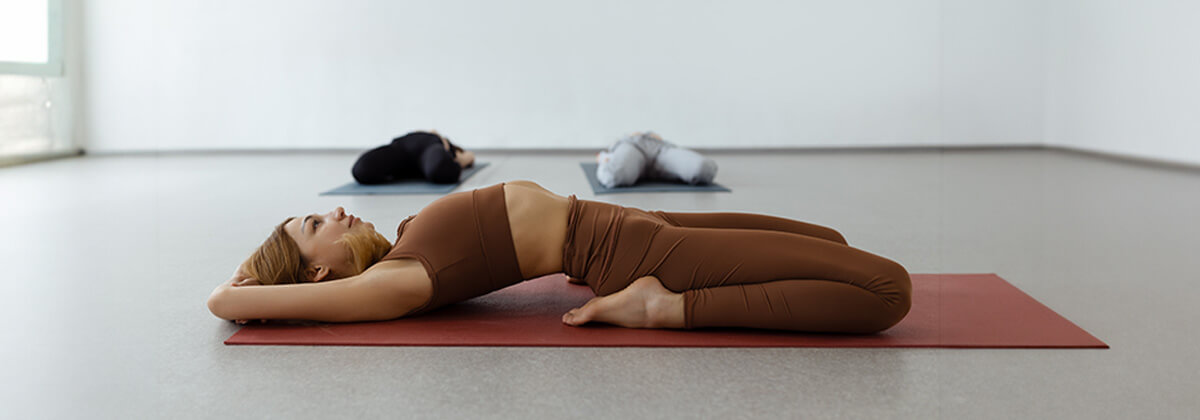
23 Mar, 2026 Breathing Techniques in Pilates: Why They Matter
Breathing is something we do every second of our lives, often without giving it much thought. However, in Pilates, breathing is not just automatic—it is intentional, controlled, and deeply connected to movement. Understanding and mastering breathing techniques can completely transform your Pilates practice, enhancing both physical performance and mental well-being.
The Foundation of Pilates Breathing
Pilates emphasizes a specific breathing style known as lateral thoracic breathing. Instead of allowing the belly to rise and fall, this technique focuses on expanding the ribcage sideways while keeping the core engaged. This allows you to maintain stability in your abdominal muscles while still breathing efficiently.
Inhale deeply through the nose, allowing your ribs to expand outward. Exhale through the mouth, gently drawing your abdominal muscles inward, as if tightening a corset. This coordinated breathing pattern supports movement and helps maintain proper form throughout each exercise.
Why Breathing Matters in Pilates
1. Enhances Core Activation
Proper breathing helps activate the deep core muscles, including the transverse abdominis and pelvic floor. When you exhale and engage your core, you create a stable base for movement, reducing the risk of injury and improving overall strength.
2. Improves Movement Efficiency
Coordinating breath with movement allows exercises to feel smoother and more controlled. In Pilates, you typically exhale during the effort phase of an exercise and inhale during the preparation phase. This rhythm helps conserve energy and improves performance.
3. Increases Oxygen Flow
Controlled breathing ensures that your muscles receive adequate oxygen, which is essential for endurance and recovery. It also helps reduce fatigue during longer sessions.
4. Promotes Mind-Body Connection
One of the core principles of Pilates is mindfulness. Focusing on your breath brings your attention to the present moment, helping you connect your mind and body. This not only improves technique but also makes your workout more effective and enjoyable.
5. Reduces Stress and Tension
Deep, controlled breathing activates the parasympathetic nervous system, which helps the body relax. This can reduce stress, lower heart rate, and relieve muscle tension—making Pilates beneficial not just physically, but mentally as well.
Common Breathing Mistakes
Many beginners tend to hold their breath during challenging movements, which can lead to increased tension and reduced effectiveness. Others may breathe shallowly, limiting oxygen intake and compromising performance.
Another common mistake is allowing the abdomen to bulge outward during inhalation, which can reduce core engagement and affect posture.
Tips to Improve Your Pilates Breathing
- Practice breathing separately before incorporating it into exercises.
- Focus on expanding the ribcage rather than the belly.
- Match your breath with each movement.
- Stay relaxed—breathing should feel natural, not forced.
- Be consistent; improvement comes with practice.
Final Thoughts
Breathing is at the heart of Pilates. It supports every movement, enhances core stability, and strengthens the connection between mind and body. By paying attention to how you breathe, you can elevate your Pilates practice and experience its full range of benefits.
Whether you are a beginner or an experienced practitioner, refining your breathing technique is one of the most powerful ways to improve your performance and overall well-being.
By
Dr. RIYA GOEL (PT)
SPORTS PHYSIOTHERAPIST & PILATES INSTRUCTOR AT
A+OSM


