 Book your Appointment

04 Dec, 2025 Signs You Might Have a Weak Pelvic Floor
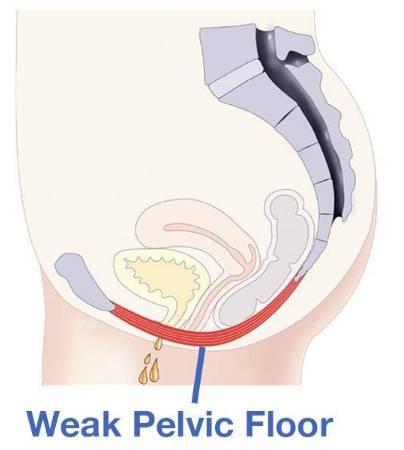
Your pelvic floor muscles play a crucial role in supporting your bladder, uterus, and rectum. When they’re strong, everything works smoothly. But when they’re weak, you might notice some issues that can impact your daily life. Here are some common signs:
1. Leaking Urine
- Leaking when you cough, sneeze, or laugh: This is one of the most common signs of a weak pelvic floor.
- Needing to rush to the bathroom: If you feel like you can’t hold your urine, it might be a sign that your pelvic floor muscles aren’t strong enough.
- Waking up multiple times at night to pee: Nocturia (nighttime urination) can be a sign of a weak pelvic floor.
2. Bowel Issues
- Constipation or straining during bowel movements: A weak pelvic floor can make it harder to have a bowel movement.
- Accidental bowel leakage: This can be embarrassing and uncomfortable.
- Feeling like you can’t control your bowels: If you’re feeling like you’re losing control, it’s worth getting checked out.
3. Pelvic Organ Prolapse
- Feeling like something is falling out of your vagina: This is a common symptom of pelvic organ prolapse, which occurs when the muscles supporting your pelvic organs weaken.
- Seeing or feeling a bulge in your vagina: This can be a sign of a prolapse.
- Pelvic pressure or heaviness: If you feel like there’s a weight in your pelvis, it might be related to a weak pelvic floor.
4. Pain or Discomfort
- Pain during sex: A weak pelvic floor can cause pain or discomfort during intercourse.
- Pelvic pain or discomfort: If you’re experiencing chronic pain, it’s worth getting checked out.
- Lower back pain: Weak pelvic floor muscles can contribute to lower back pain.
5. Other Signs
- Feeling like your bladder isn’t fully empty: If you feel like you still need to go after you’ve finished peeing, it might be a sign of a weak pelvic floor.
- Needing to use pads or liners: If you’re relying on pads or liners to stay dry, it’s worth getting checked out.
- Avoiding activities that trigger leaking or discomfort: If you’re avoiding activities you love because of pelvic floor issues, it’s time to seek help.
What Can You Do?
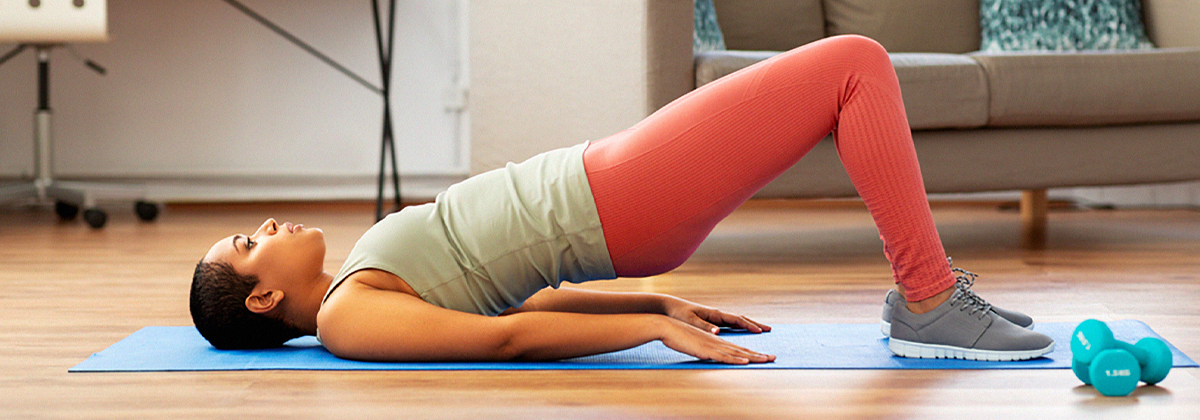
- Practice pelvic floor exercises like Kegels: These exercises can help strengthen your pelvic floor muscles.
- Maintain a healthy weight: Excess weight can put pressure on your pelvic floor.
- Avoid constipation: A high-fiber diet and regular exercise can help prevent constipation.
- Strengthen your core muscles: Your core muscles support your pelvic floor, so strengthening them can help.
- Seek professional help if symptoms persist: A pelvic floor physical therapist or healthcare provider can help you diagnose and treat any underlying issues.
Don’t suffer in silence – take control of your pelvic health.
By,
Dr. Yukti Lohia (PT)
(Musculoskeletal & Pelvic floor Instructor)
A+ Orthopaedic & Sports Med Center
Share this post with your friends:


